

At the end of day there is so far no machine that can equal the experienced refractionist in accuracy, ability to test abnormal eyes, patience with very young and elderly, and wisdom to prescribe the correction that will be most suitable and acceptable to the patient.
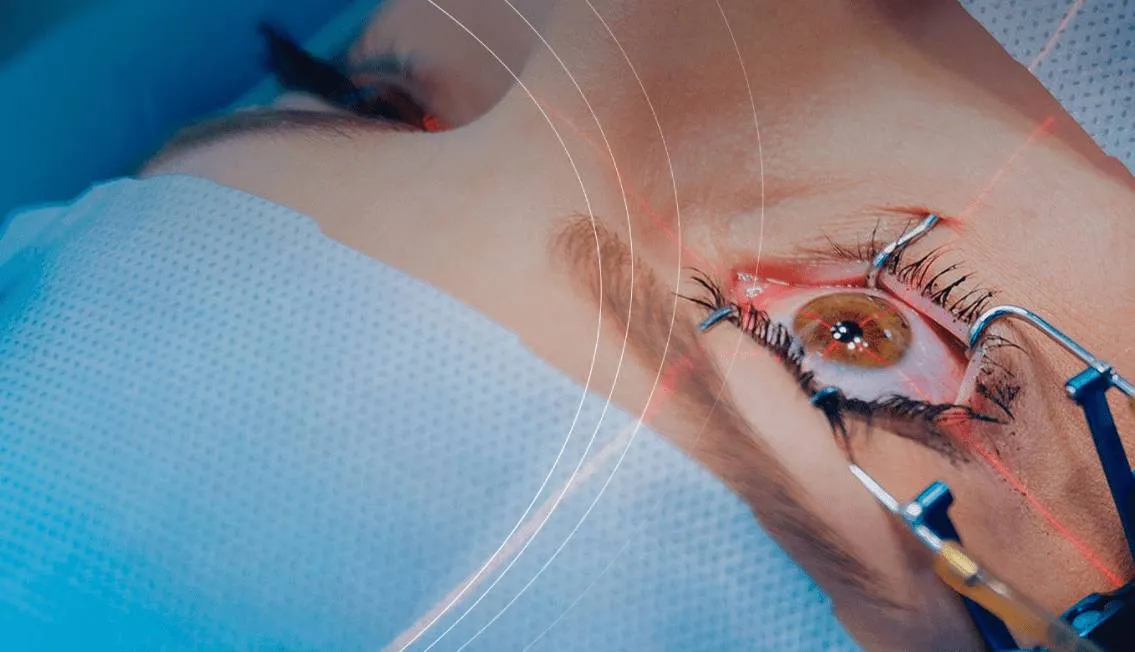
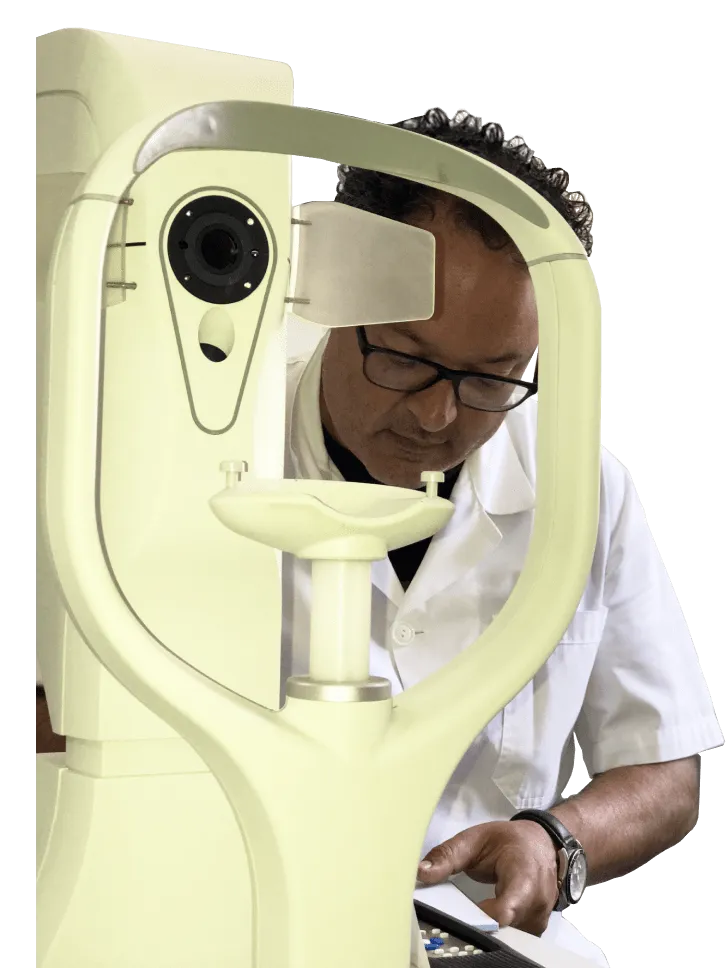
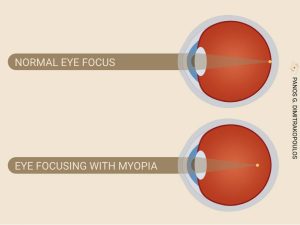
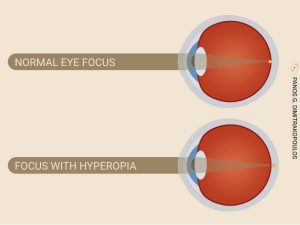
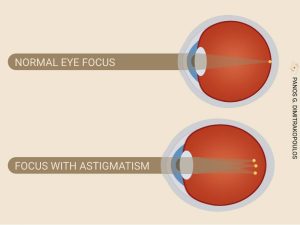
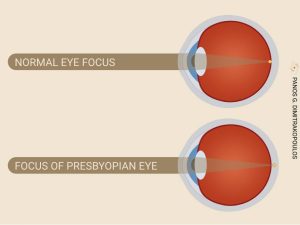
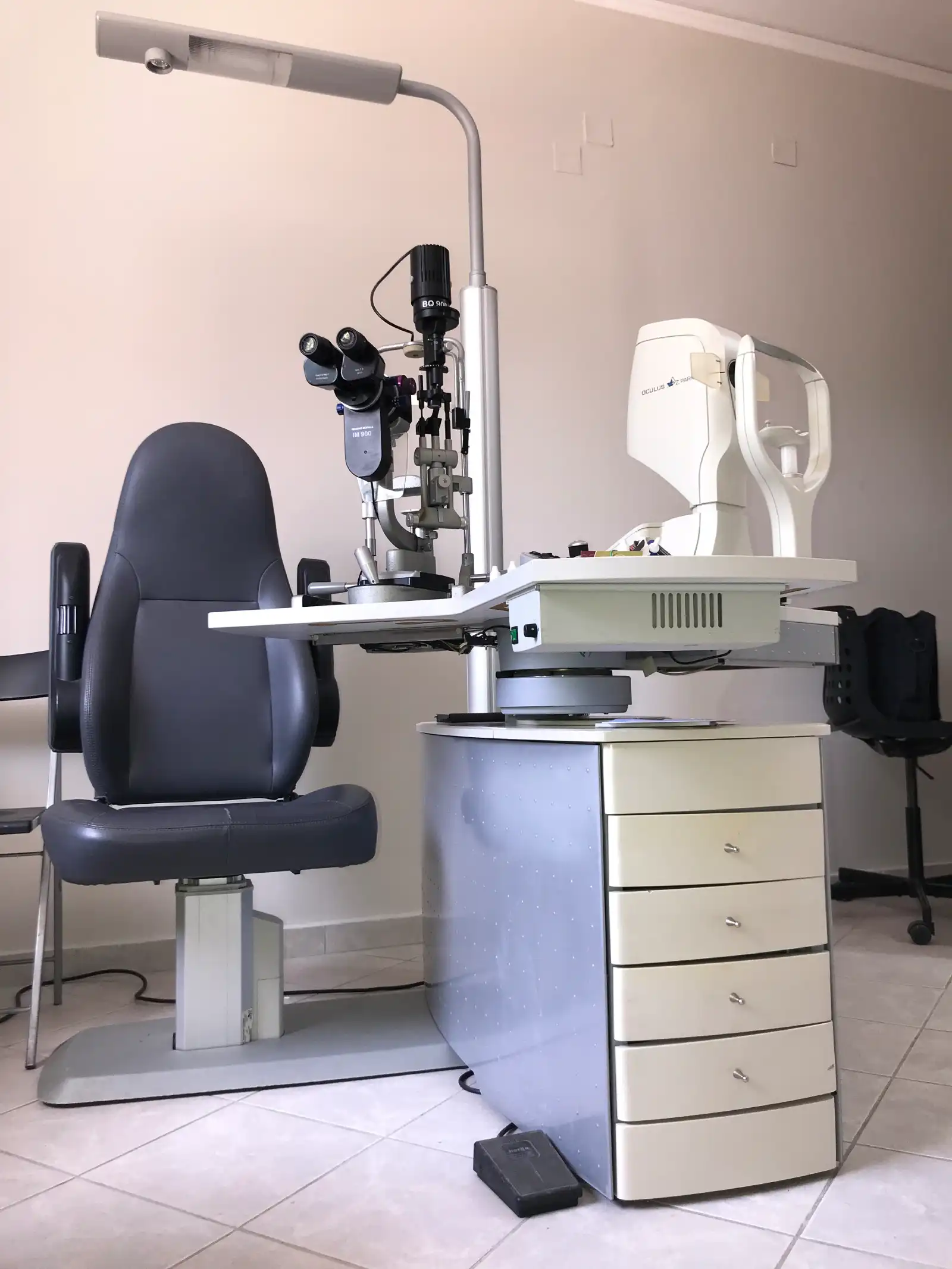
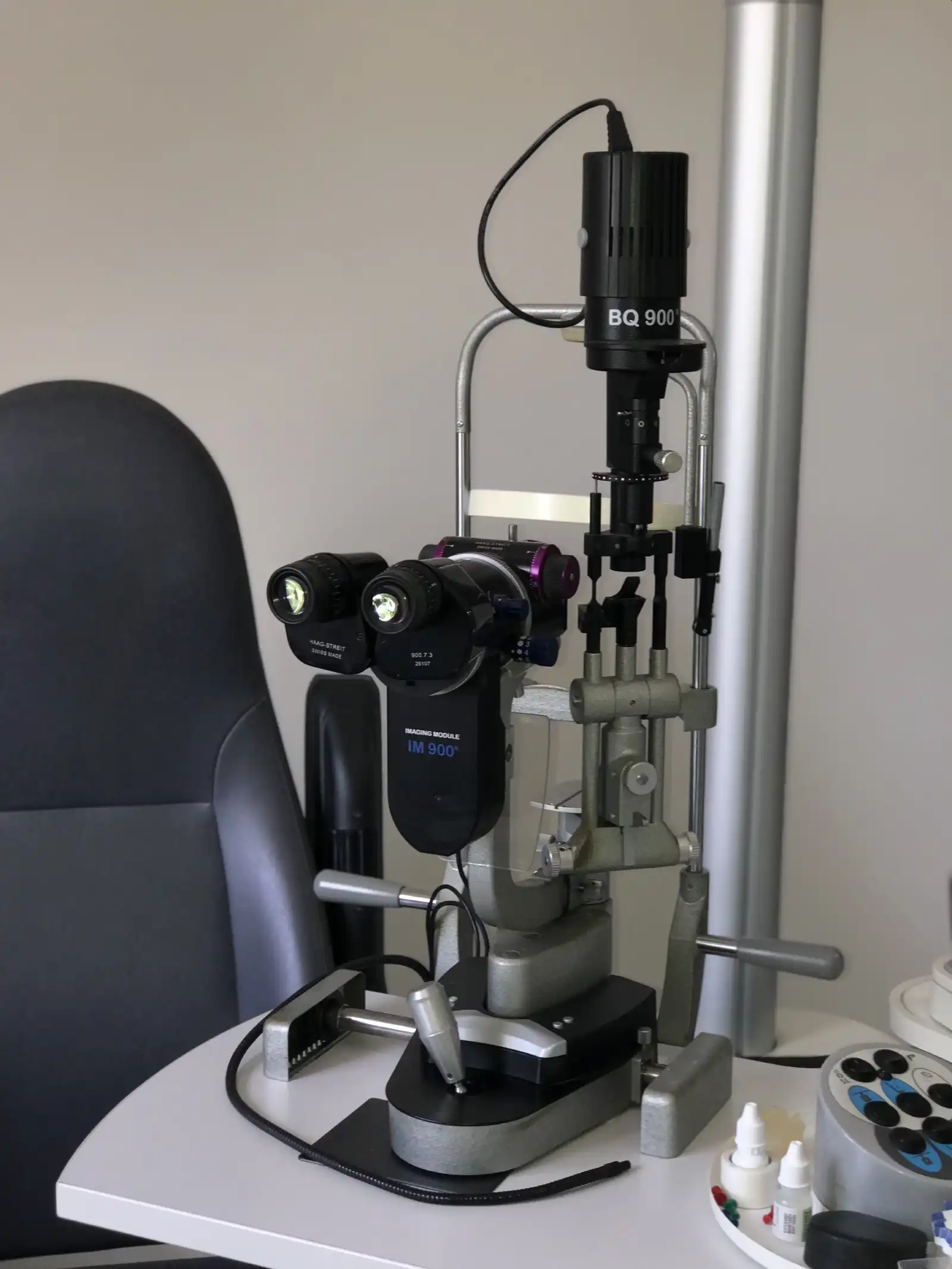
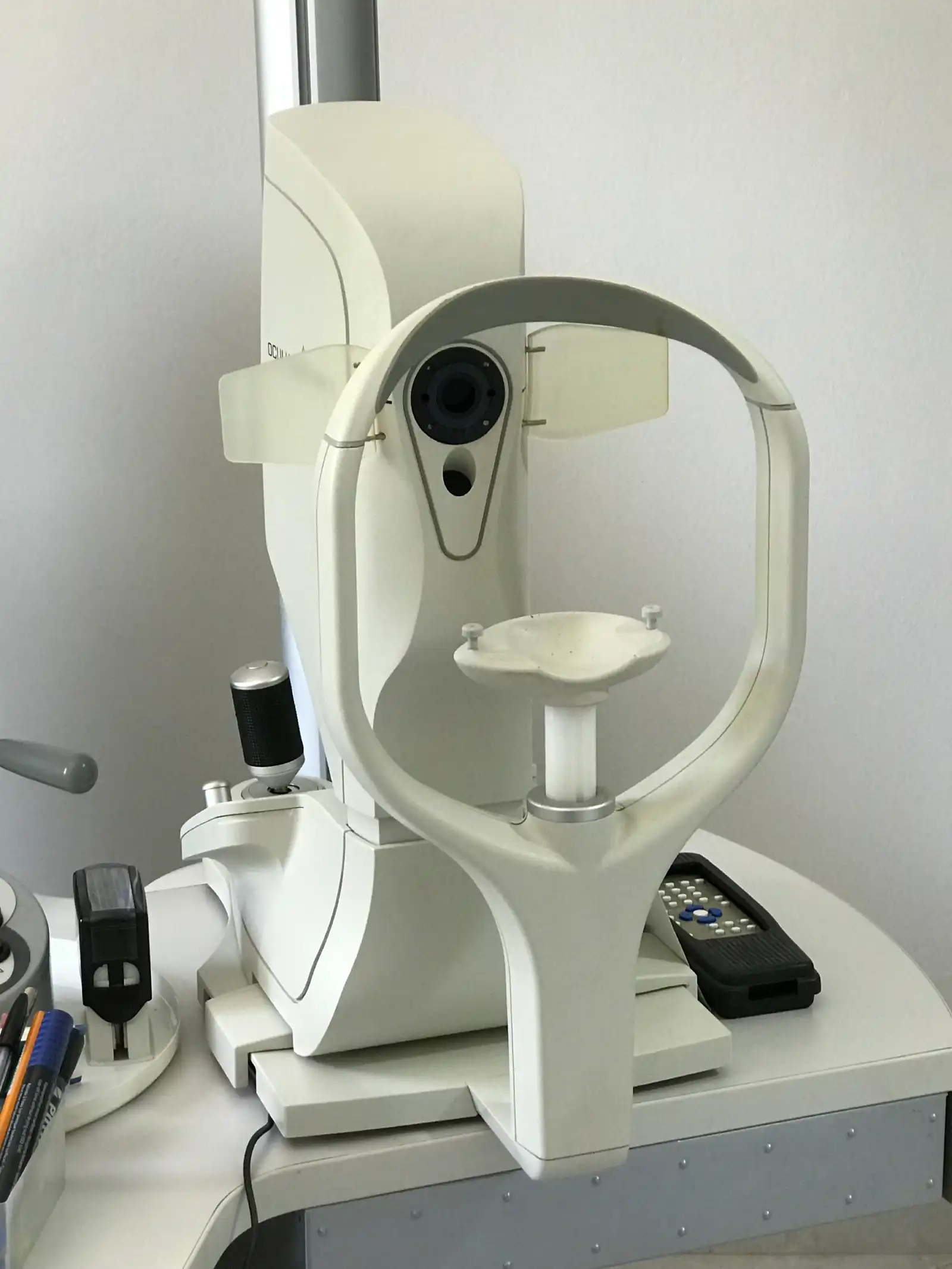
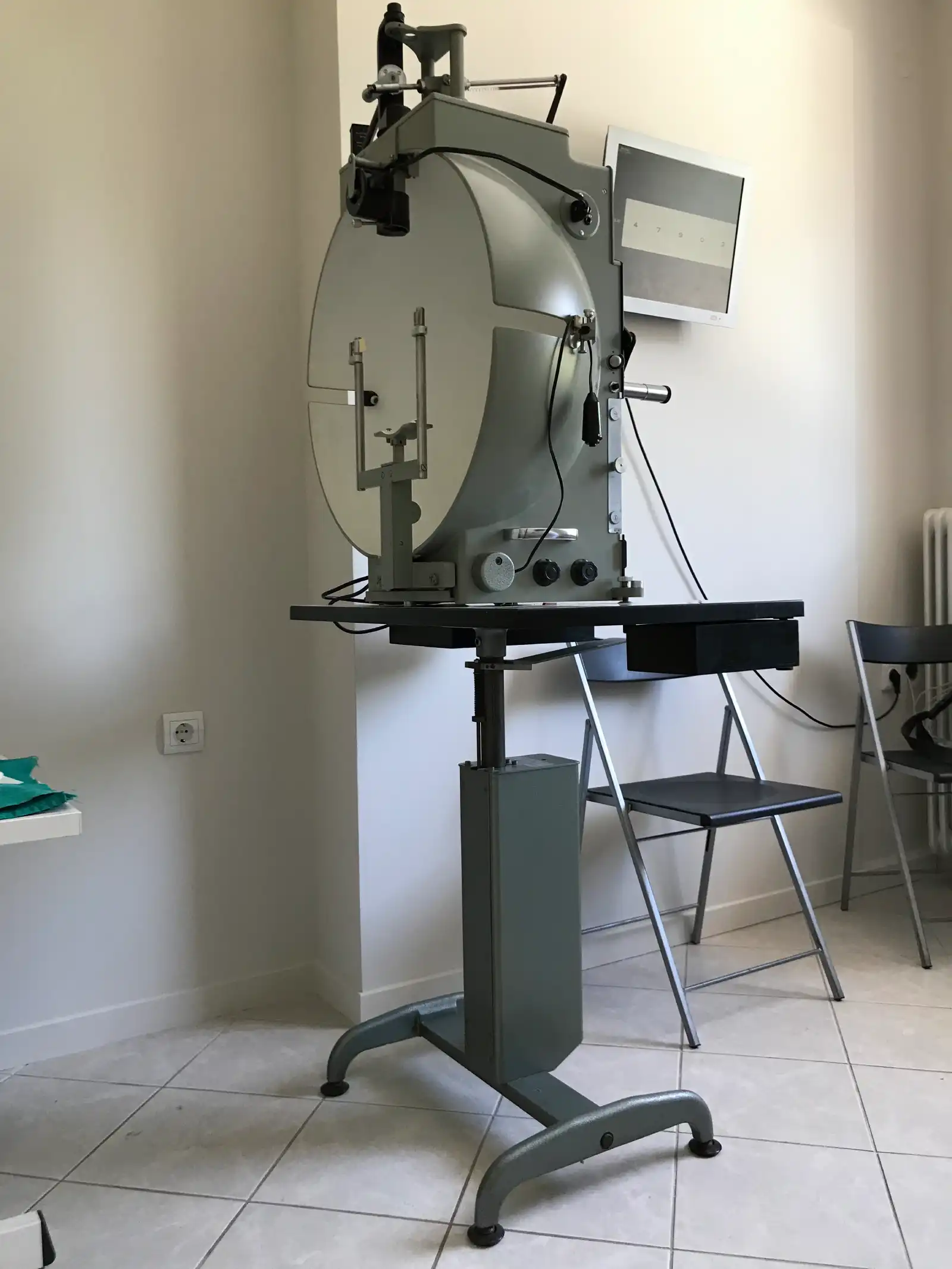
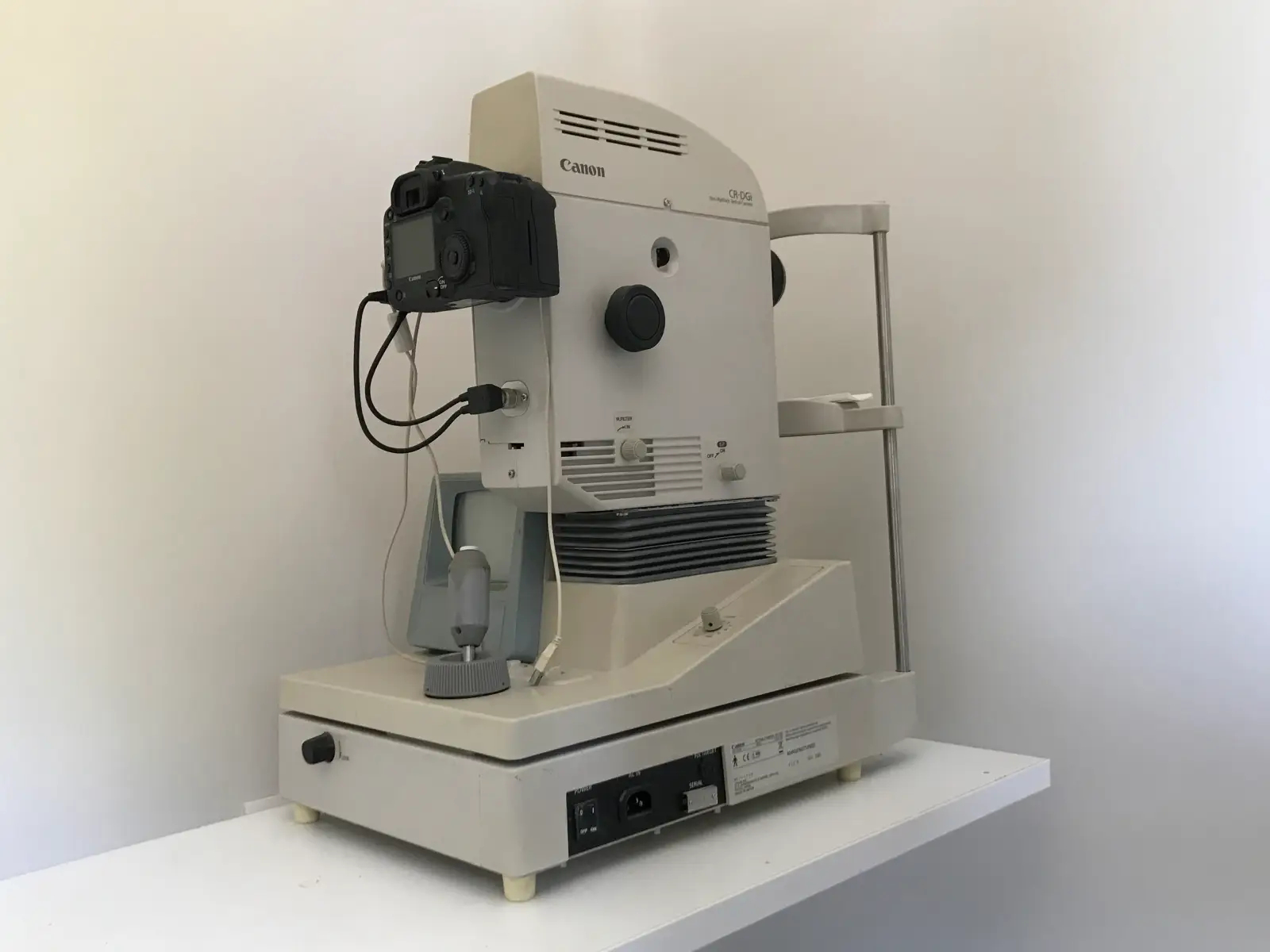
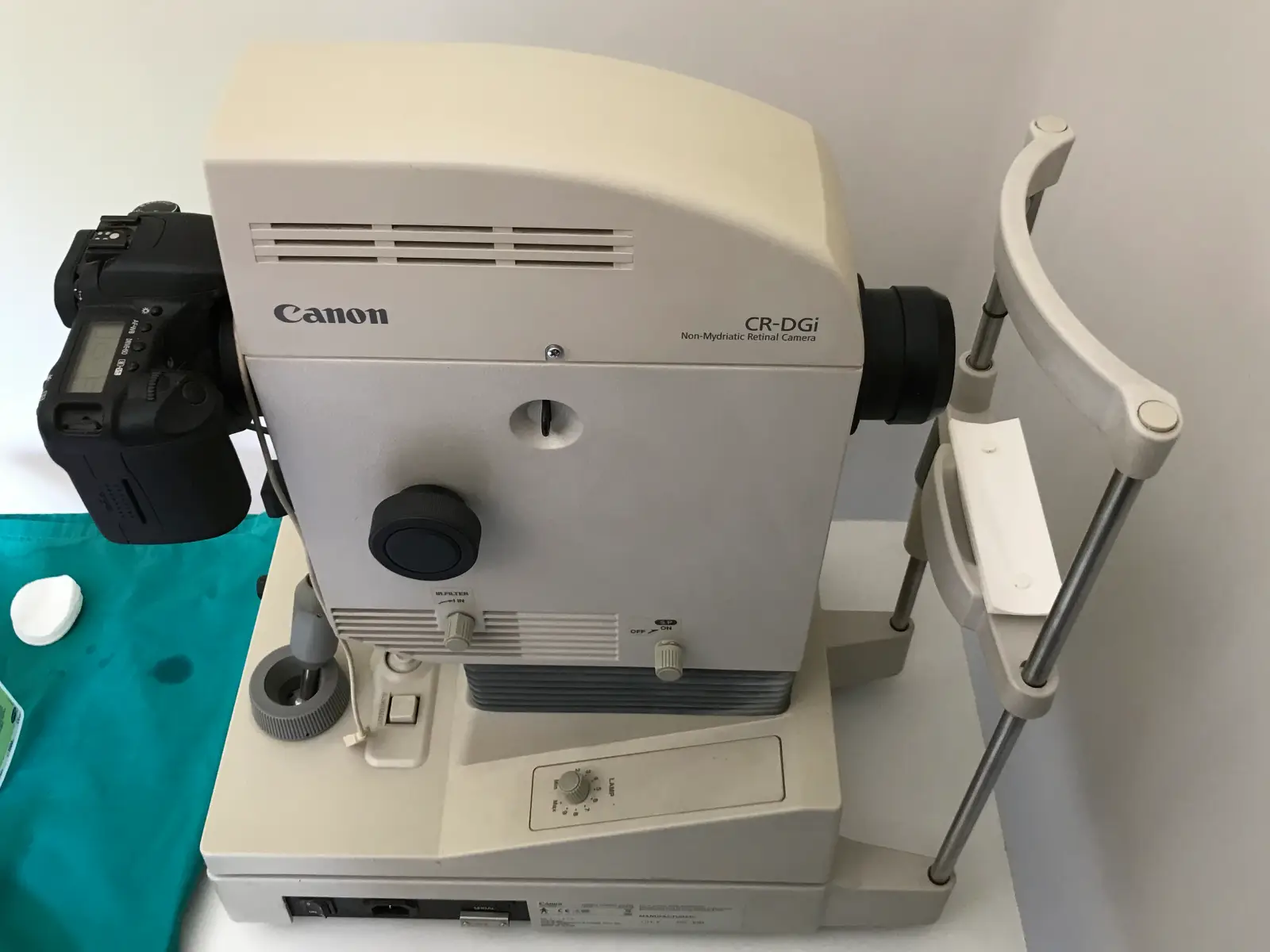
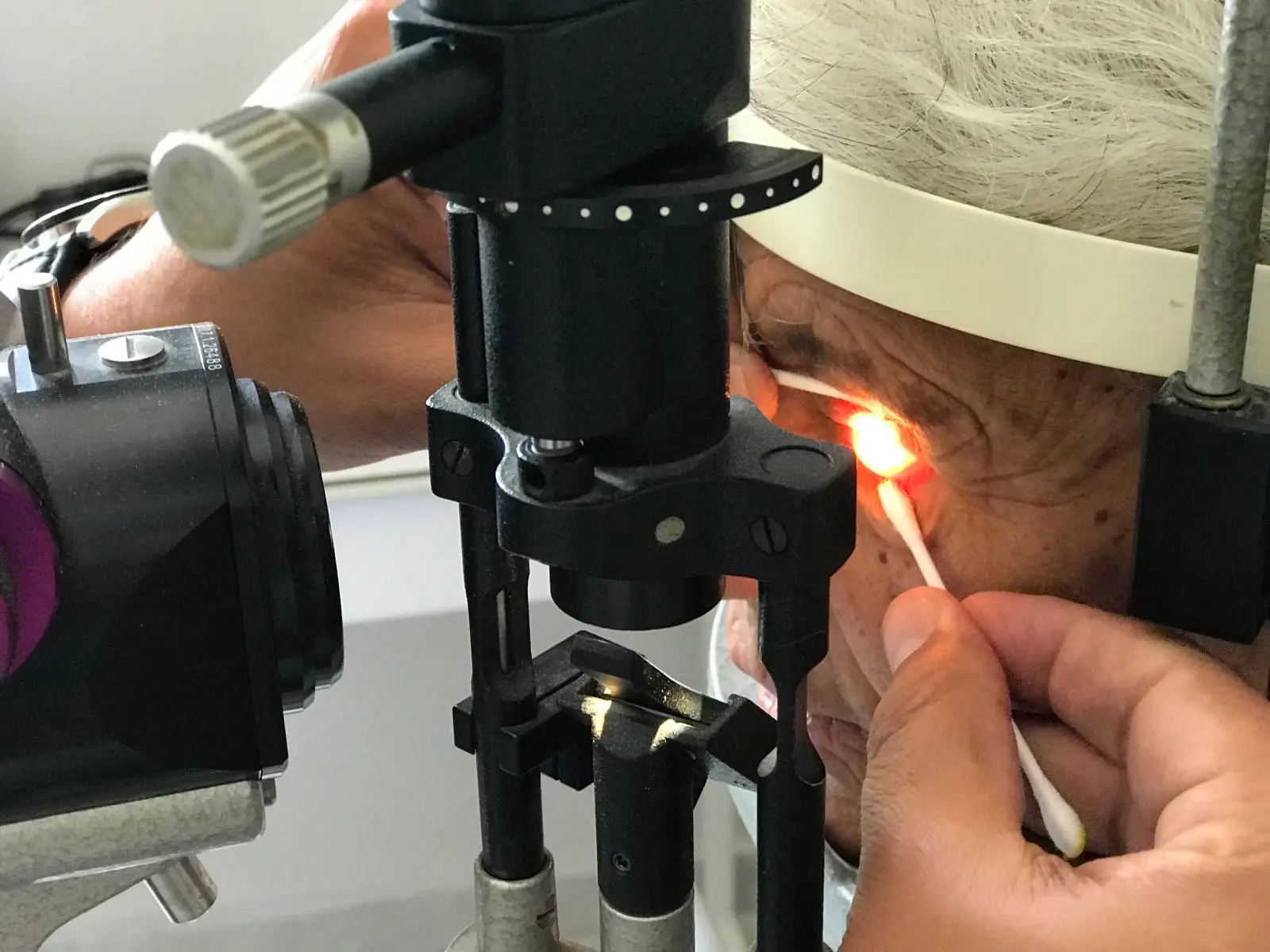
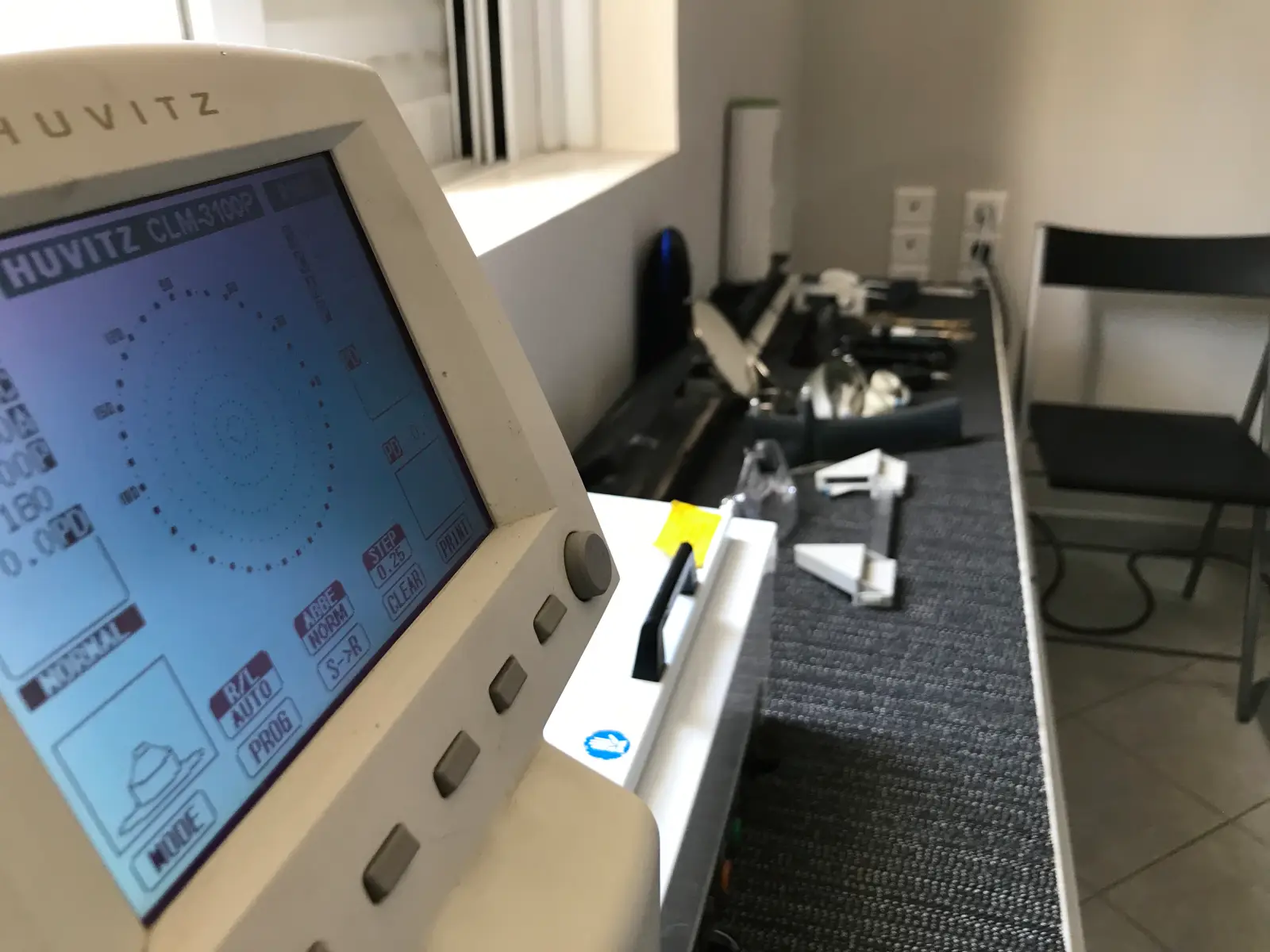
Examinations and treatments tailored to individual needs, with emphasis on quality of care and respect for the patient. Dynamic Retinoscopy is a specialised clinical method for the objective assessment of refraction. Through direct evaluation of the light reflex emerging from the eye, the physician obtains a dynamic representation of visual function, which is essential for: Contemporary surgical management of Myopia, Astigmatism, Hyperopia and Cataract. The surgical approach is based on minimising contact with ocular tissues, with the aim of maximising safety and promoting rapid recovery: Myopia & Astigmatism:No-Touch laser techniques are applied using advanced laser algorithms, allowing refractive correction without mechanical intervention on the ocular surface. Hyperopia & Cataract: Minimally invasive microsurgical techniques are performed using advanced ultrasound technology, tailored to the individual anatomical characteristics of each patient. Individualised Surgical Planning: Each surgical intervention is determined following a thorough benefit–risk analysis. The choice of technique is based strictly on medical criteria, ensuring the most appropriate approach for the specific needs of each eye. Surgical procedures (Laser, Cataract) are personally performed by the physician at specialised accredited ophthalmic centres in Athens and Patras, ensuring access to advanced technological infrastructure. Specialised strabismological and neuro-ophthalmological assessment is performed, based on internationally recognised clinical protocols for the diagnosis and follow-up of serious conditions: Clinical Protocols: Established standards are followed, including OHTS for glaucomatous damage, ONTT for optic neuropathy (associated with Multiple Sclerosis), and Leber Optic Neuropathy. Strabismus Evaluation: Assessment and management of strabismus in both children and adults are conducted using specialised scoring systems (such as the Newcastle Control Score). Goldmann Kinetic Perimetry: Classical manual Goldmann perimetry is utilised for precise visual field assessment. The method relies on examiner expertise, providing high-reliability data in cases where automated systems are limited. Through Neuro-ophthalmology, the critical importance of early diagnosis is highlighted. Clinical ophthalmic evaluation precedes and guides the use of technology, ensuring that each case is managed with appropriate scientific rigour. Vision is a complex function closely linked to learning and development. Assessment extends beyond simple visual acuity measurement, focusing on how visual information is processed within the educational environment. Dynamic Assessment (Mohindra & Book Retinoscopy): Specialised retinoscopy techniques are applied to assess refraction under resting conditions as well as during reading tasks. Binocular Vision Assessment: Evaluation of stereopsis, convergence–divergence reserves and phorias is performed (von Graeffe method). Reading Readiness Assessment (DEM Test): A specialised test is conducted to evaluate oculomotor performance, critical for the prevention of learning difficulties. Individualised Counselling: Comprehensive paediatric ophthalmic examination is provided, along with guidance on optimal study strategies and indications for vocational orientation based on the optometric profile. The management of dry eye disease and ocular surface inflammation requires a structured and methodical approach, avoiding unnecessary diagnostic testing. International Protocols (TFOS-DEWS II): Diagnostic evaluation and therapeutic management are aligned with the principles of the global TFOS-DEWS II guidelines. Advanced Meibography: Specialised imaging is used to assess the meibomian glands, allowing the design of targeted and effective treatment strategies. Rational Diagnostic Approach: Priority is given to establishing a relationship of trust with the patient. A focused diagnostic pathway is followed, centred on meaningful therapeutic outcomes and improvement in quality of life. Panos Dimitrakopoulos is a Consultant Ophthalmic Surgeon with specialisation in Clinical Optics, Neuro-ophthalmology and Refractive Microsurgery. A graduate of the National and Kapodistrian University of Athens (1998), he has been running a private ophthalmology practice in Pyrgos since 2010. He holds international certifications from the International Council of Ophthalmology (ICO) and the Optometry Extension Program Foundation (USA). Surgical procedures are personally performed by him in collaboration with accredited ophthalmic centres in Athens and Patras, ensuring access to state-of-the-art technology for every patient. A concise overview of the most common conditions affecting vision and patients’ quality of life. Myopia is a refractive error in which near objects are seen clearly, while distant objects appear blurred. This occurs because light rays focus in front of the retina, either due to increased axial length of the eye or excessive refractive power of its optical components. Management requires precise clinical measurement to select the appropriate corrective approach. Hyperopia is a common ocular condition in which distant objects are seen clearly, while near objects may appear blurred. This occurs because the eye is optically shorter, either due to reduced axial length or insufficient refractive power of its optical components. Astigmatism is a condition in which vision is blurred or distorted at all distances, often causing visual strain and headaches. It is primarily caused by an irregular curvature of the cornea (resembling a “rugby ball” rather than a sphere). It may coexist with myopia or hyperopia and requires specialised assessment to determine the correct axis and magnitude of corrective intervention. Presbyopia occurs gradually in middle-aged and elderly people, preventing them from seeing close objects clearly. Presbyopia is essentially a refractive error of the lens of your eye that stops the light from focusing properly on the retina A visual tour of our ophthalmic laboratory in Pyrgos and the advanced diagnostic infrastructure utilized. Our clinical practice is supported by state-of-the-art technology, ensuring a high-standard environment for comprehensive eye care. Clinical examinations are conducted strictly by appointment, ensuring dedicated time for a comprehensive and thorough evaluation of each patient. Diakou 10 & Kolokotroni, Pyrgos Ilias, 27131 - DirectionsExaminations & Treatments
The Physician
Eye Conditions
Myopia
Hyperopia
Astigmatism
Presbyopia
Gallery & Facilities
Appointments & Contact
Address
Administration & Appointments
Phones